Workshop Notes
Guides & Articles
Practical writing on forging, grinding, heat treatment, handles and safety — with the numbers left in. Every article states its hazards and links to the tools it uses.
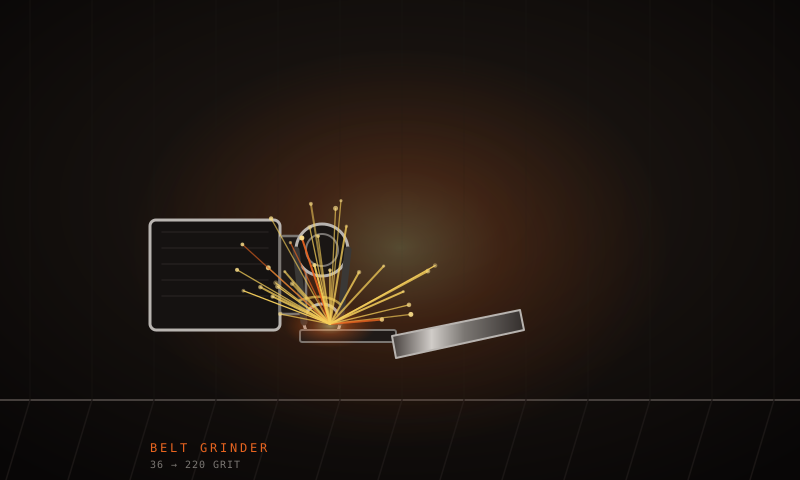
Knife Maintenance and Sharpening
An edge fails in predictable ways and each one has a different fix. This covers the angles for different knives, a stone progression that works, and how to keep a carbon steel blade from rusting.
Read the article →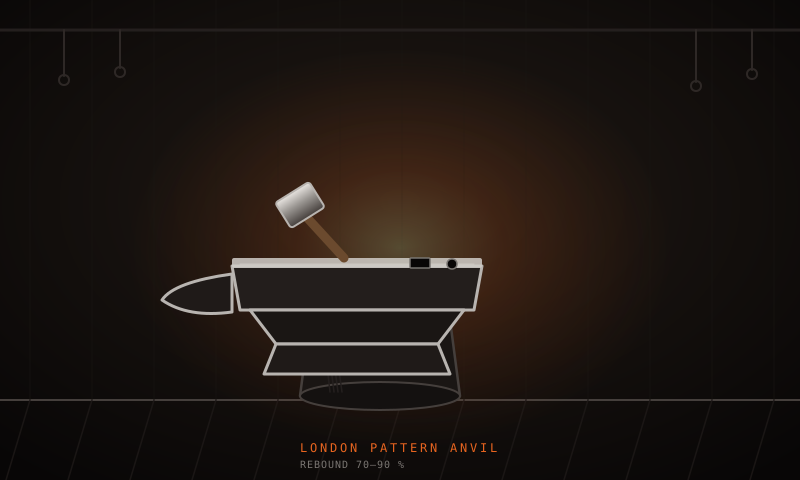
Setting Up a Home Forge
Where you put the forge matters more than which forge you buy. This covers siting and ventilation, gas versus coal, anvils and stands, tooling, quench setup and a layout that works in a small shop.
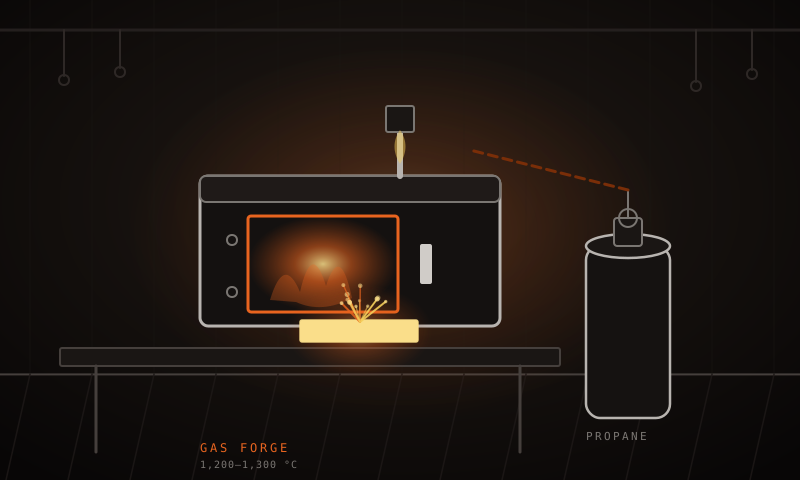
Bladesmithing Safety: Heat, Dust, and PPE
The forge, the grinder and the quench tank each have their own way of hurting you. This is what actually goes wrong in a knife shop, and the specific habits that stop it happening to you.
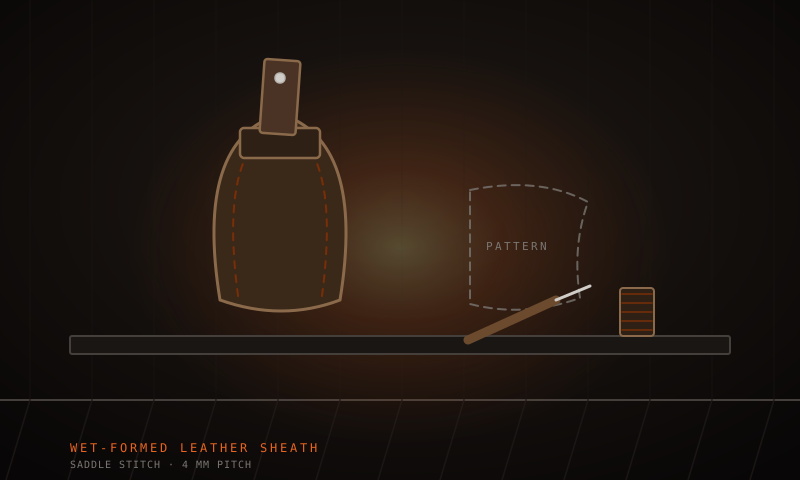
Making a Leather Sheath: Step by Step
A sheath is a fitted leather case made around the knife, not a pouch the knife is dropped into. This walks through the pattern, the welt, wet forming and the stitching that holds it together.
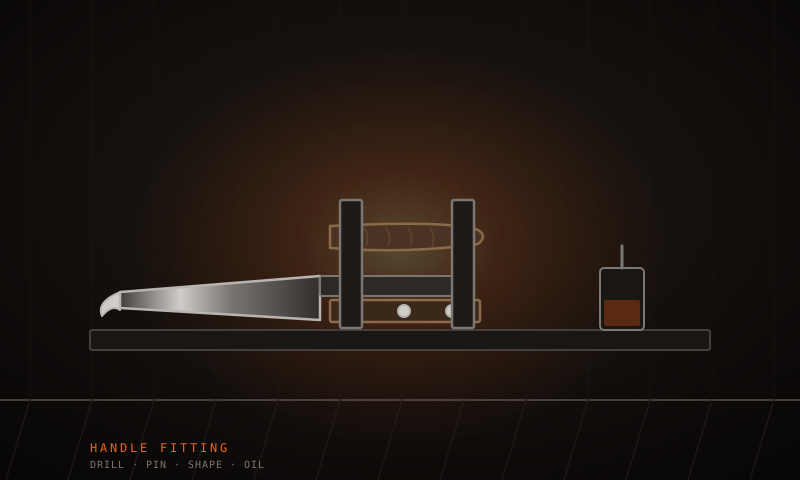
Handle Assembly: Materials, Pins, and Finish
A handle is where the knife meets your hand and the part people notice first. This covers materials, tang prep, epoxy, pins and bolts, and the finishing steps that make it feel like one piece.
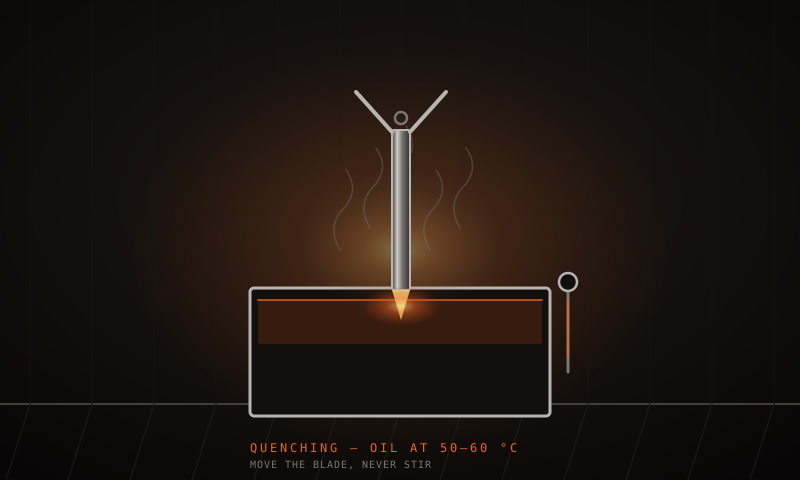
Heat Treatment Explained: Quenching and Tempering
Hardening is a race between two transformations. Get the temperature and the quench right and the steel becomes martensite. Get them wrong and it stays soft. Here is the sequence that works, with real numbers.
Blade Grinding: From Profiling to Sharpening
Grinding is where a knife is won or lost. This covers belt selection and grit progression, setting bevels and plunge lines cleanly, and taking an edge from a 36 grit belt all the way to an 8000 grit stone.
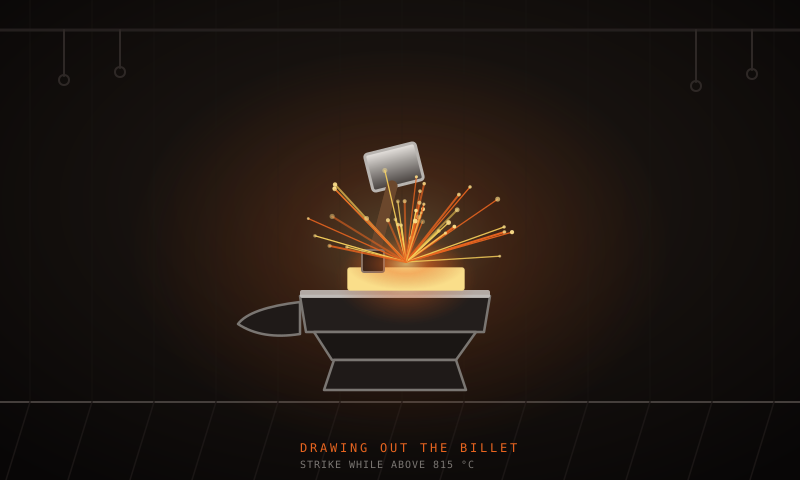
Forging Basics: Heating, Hammering, and Shaping
Forging is not about hitting hard. It is about heat, hammer control and knowing when to stop. This covers the working temperatures, the hammer work, and the faults that show up in every beginner blade.
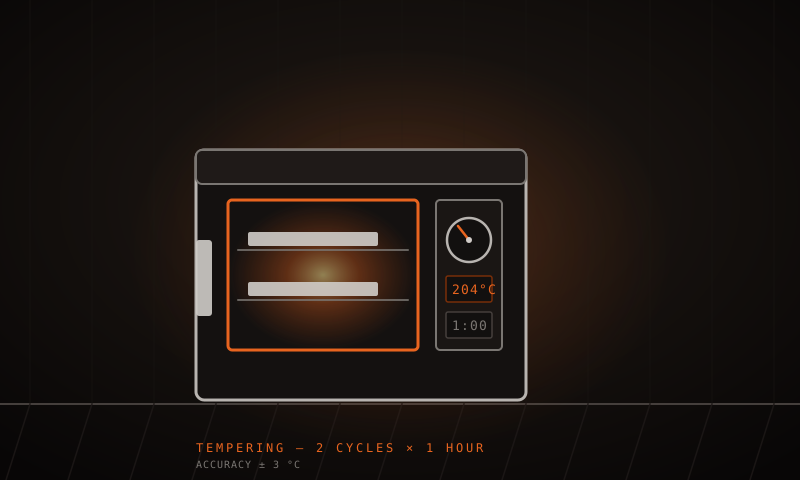
Understanding Steel: Carbon, Alloy, and Tool Steels
Carbon content decides whether steel can harden at all. Alloying elements decide how it behaves while you work it. Knowing the difference is what lets you choose a steel instead of guessing at one.
How to Start Knife Making: A Beginner’s Guide
Knife making rewards patience more than tools. Here is the honest starting path: one simple steel, a handful of files, and the three skills that actually decide whether your first blade works.
No articles match that filter
Try a different topic, or clear the search box.